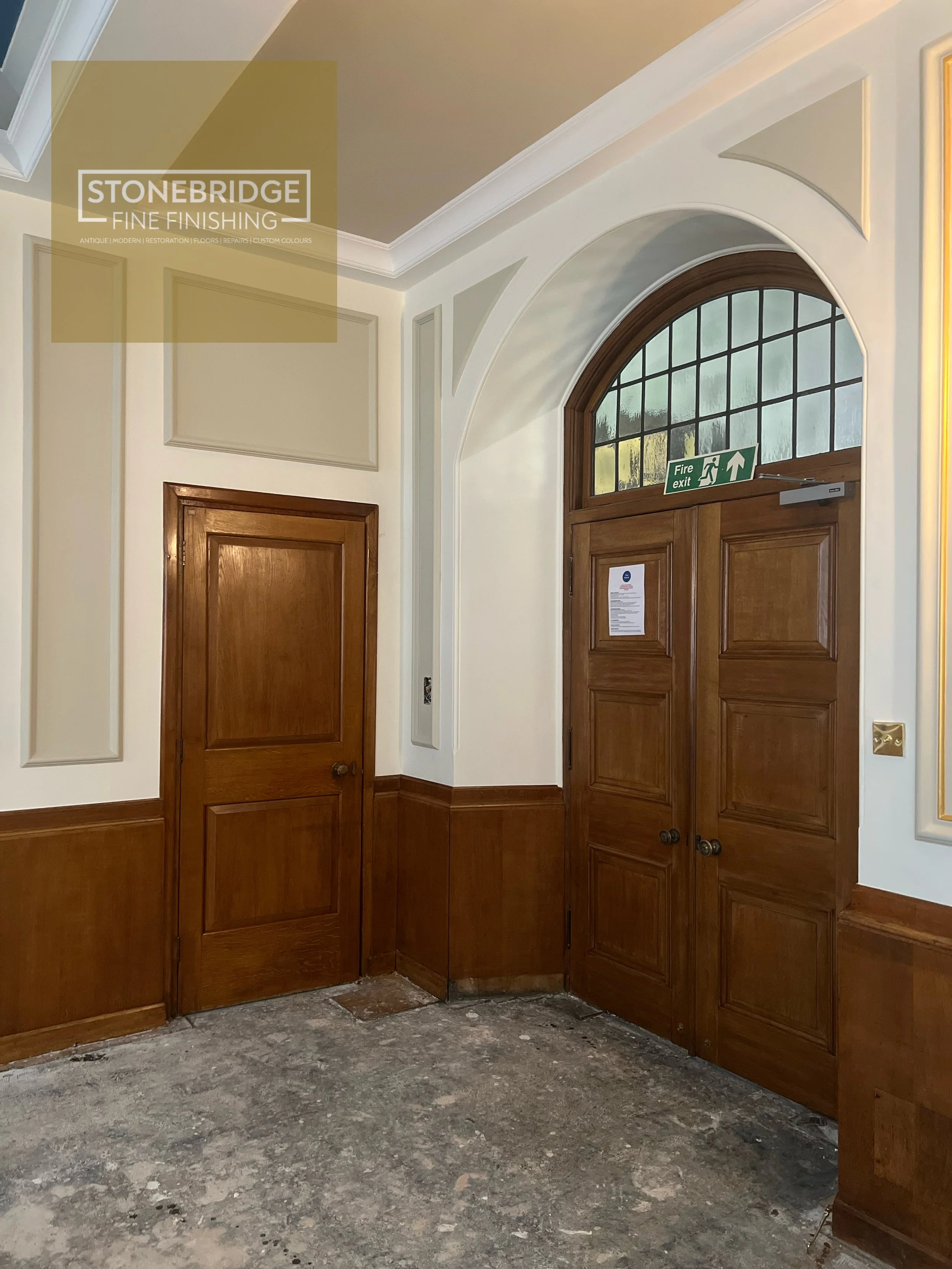
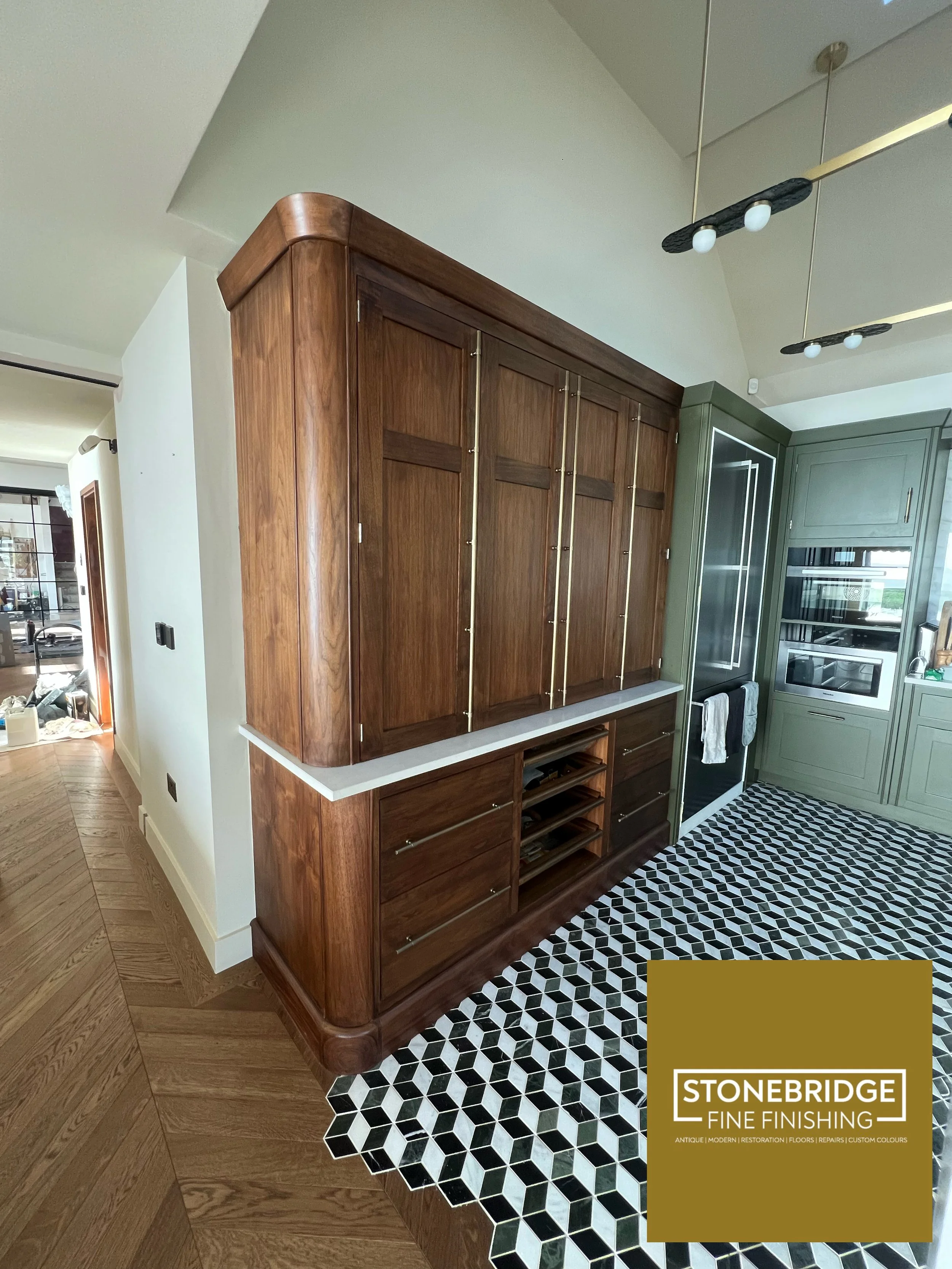
Walk into almost any Victorian terrace in Kensington, a Georgian townhouse in Islington, or a luxury riverside apartment in Canary Wharf, and you will notice one defining feature: architectural woodwork. From sweeping mahogany bannisters and original sash windows to bespoke oak cabinetry, London’s interiors rely heavily on timber.
When that woodwork looks tired, scratched, or dated, homeowners and interior designers face a common dilemma: do you hire a painter and decorator, or do you call in a French polisher?
While both trades transform surfaces and elevate a room’s aesthetic, their tools, materials, and core expertise are worlds apart. Hiring the wrong specialist can lead to ruined antique veneers, peeling finishes, or unnecessarily high costs. Here is everything you need to know to make the right call for your London property.
What Does a Painter and Decorator Do?
A professional painter and decorator focuses on opaque coatings, surface preparation, and broad architectural coverage. Their primary goal is to protect surfaces and introduce colour across walls, ceilings, masonry, and painted joinery.
Core Specialisms
Architectural Woodwork: Preparing, priming, and painting skirting boards, architraves, doors, window frames, and built-in MDF or softwood cabinetry.
Surface Preparation: Filling dents, caulking gaps, sanding down peeling paint, and applying specialist primers (such as stain-blocking or high-adhesion primers).
Modern Spray & Brush Finishes: Applying eggshell, satinwood, gloss, or matte paints using traditional brushes, rollers, or HVLP (High Volume Low Pressure) spray systems.
Best suited for: Changing the colour scheme of a room, refreshing painted Victorian or Edwardian woodwork, or achieving a clean, uniform, opaque finish on softwoods and MDF.
What Does a French Polisher Do?
A French polisher is a specialist wood finisher and surface restorer. Traditionally, French polishing involves applying dozens of ultra thin coats of shellac (a natural resin dissolved in alcohol) using a hand held rubbing pad called a fad. The result is a deep, warm, mirror like sheen with zero brush marks that enhances the natural grain of the timber.
Today, London French polishers bridge heritage craftsmanship and modern surface repair. Alongside traditional shellac work, they apply modern lacquers, oils, waxes, and colour-matched stains to restore damaged timber in place.
Core Specialisms
Antique & Period Restoration: Reviving Georgian and Victorian dining tables, pianos, wall panelling, and heirloom furniture without stripping away historical value.
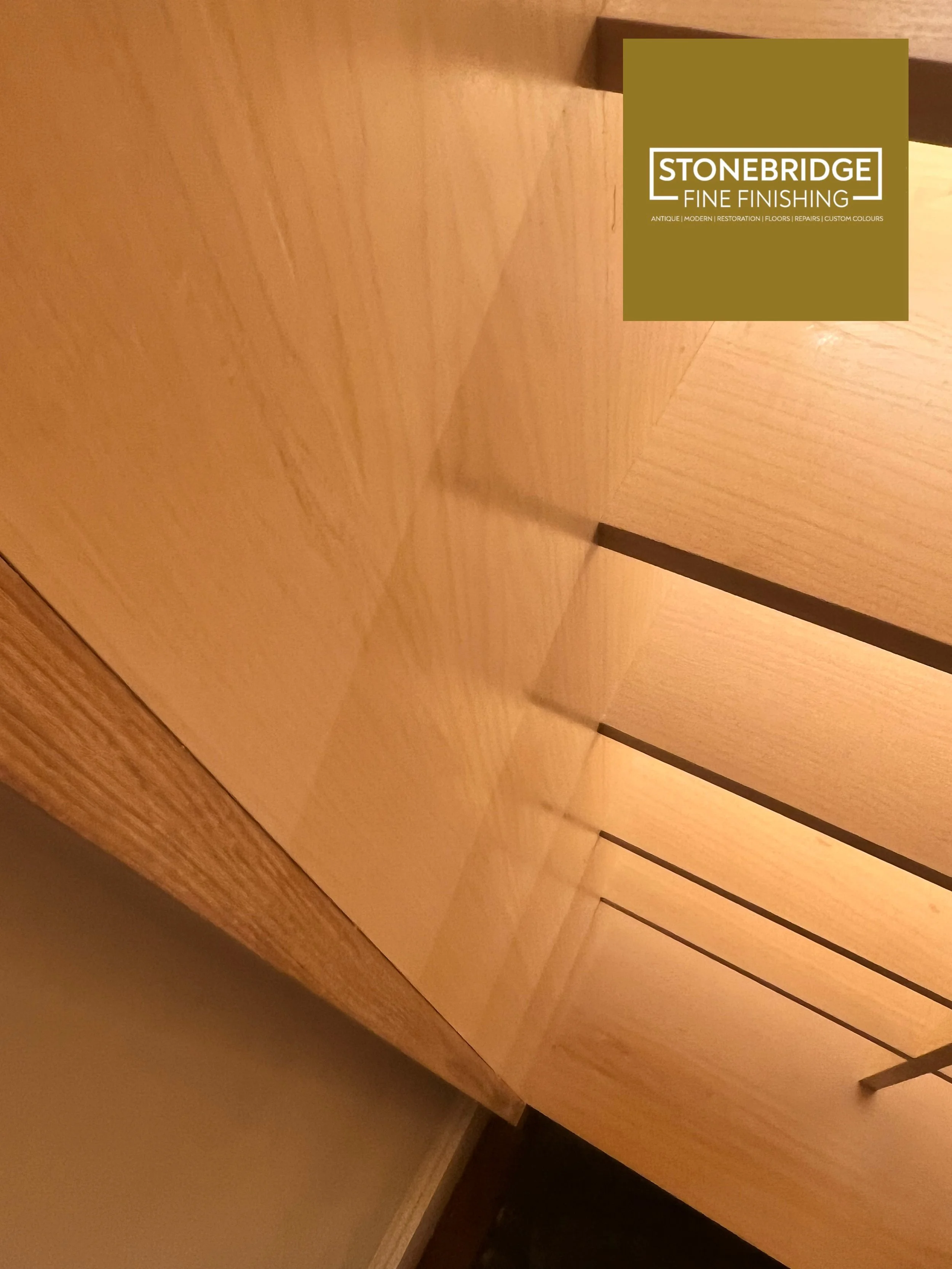
Precision Colour & Grain Matching: Repairing deep scratches, water rings, heat marks, and chipped veneers on hardwood doors, staircases, and floors so the repair becomes invisible.
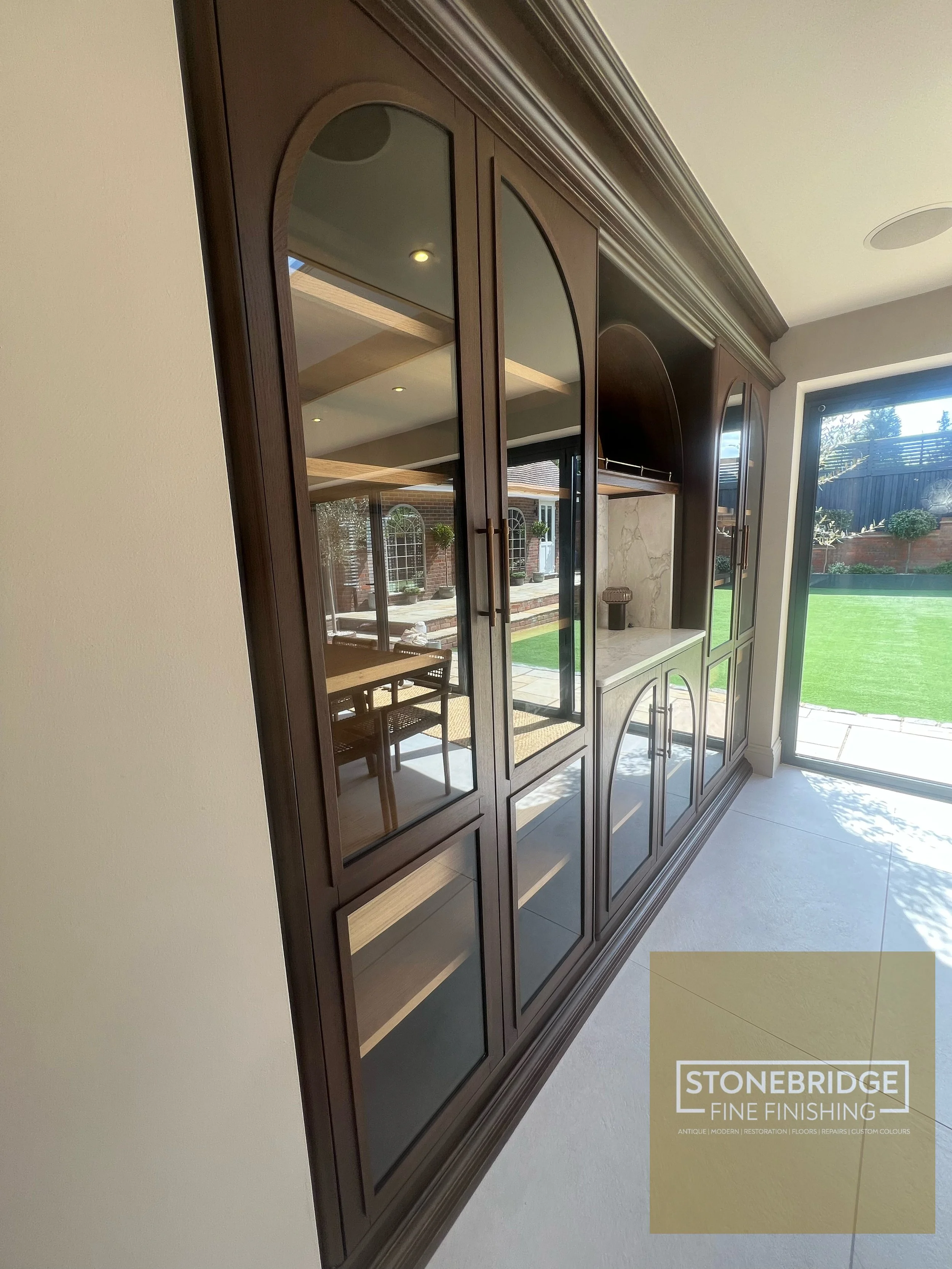
Modern Architectural Joinery: Refinishing high-end veneered wardrobes, commercial reception desks, and timber flooring in new-build London developments.
Best suited for: Exposed hardwoods (oak, walnut, mahogany, teak), period staircases and panelling, luxury veneered doors, and heirloom furniture where you want to showcase the natural wood grain.
Key Differences at a Glance
Primary Goal
Painter & Decorator: Colour coverage, uniformity, and protective opaque finishes.
French Polisher: Enhancing natural wood grain and performing invisible surface restoration.
Main Materials
Painter & Decorator: Water- and oil-based paints, primers, wood fillers, and decorators' caulk.
French Polisher: Shellac, colour-matched stains, lacquers, beeswax, and specialist wood oils.
Application Method
Painter & Decorator: Paintbrushes, rollers, and airless or HVLP sprayers.
French Polisher: Hand-rubbed cotton pads (fads), fine artists' brushes for grain matching, and precision spray lacquering.
Typical Surfaces
Painter & Decorator: Plaster walls, ceilings, MDF cabinetry, softwood skirting boards, and previously painted doors.
French Polisher: Solid hardwoods (oak, walnut, mahogany), delicate veneers, antique furniture, exposed handrails, and timber floors.
Durability & Maintenance
Painter & Decorator: Tough and wipeable (especially modern acrylic eggshells), typically repainted every 5–7 years.
French Polisher: Traditional shellac is sensitive to heat and alcohol, though modern lacquered finishes are heavy-duty—and damaged areas can be spot-repaired without stripping the whole piece.
Average London Cost
Painter & Decorator: £250 – £400+ per day, depending on preparation requirements and property size.
French Polisher: £250 – £550+ per project or day rate, depending on the intricacy of the colour matching and restoration work.
Who Should You Hire in London?
1. Restoring a Period Staircase
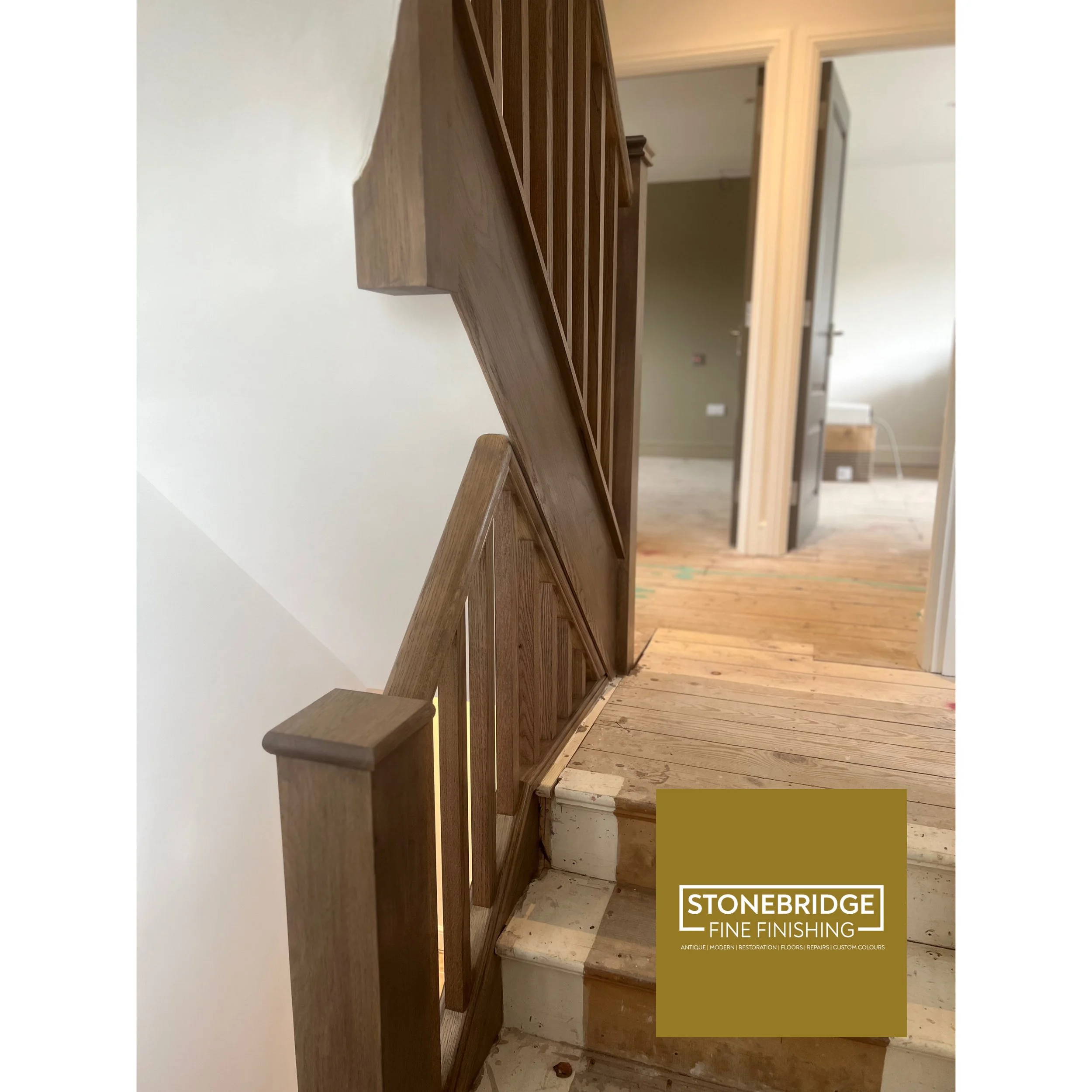
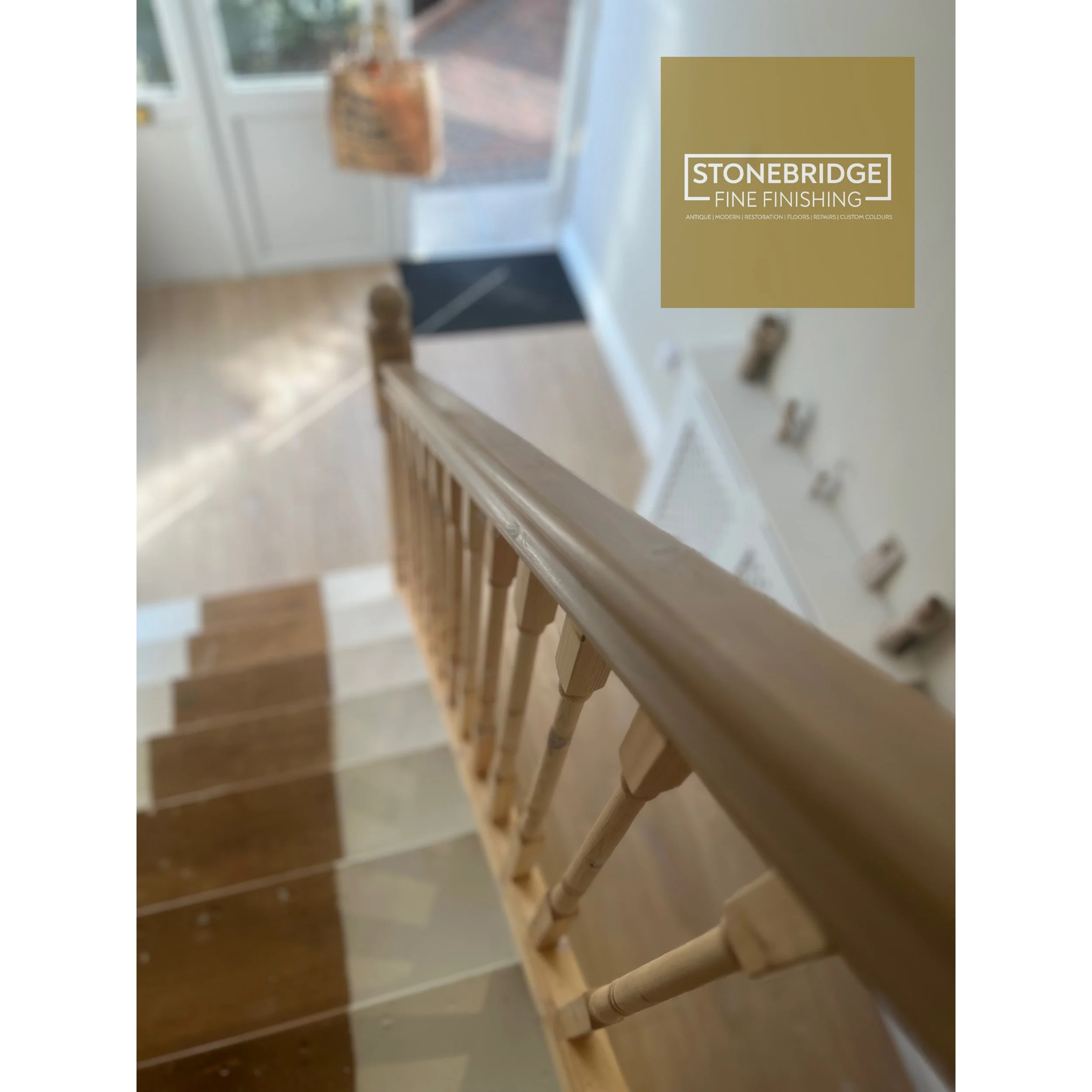
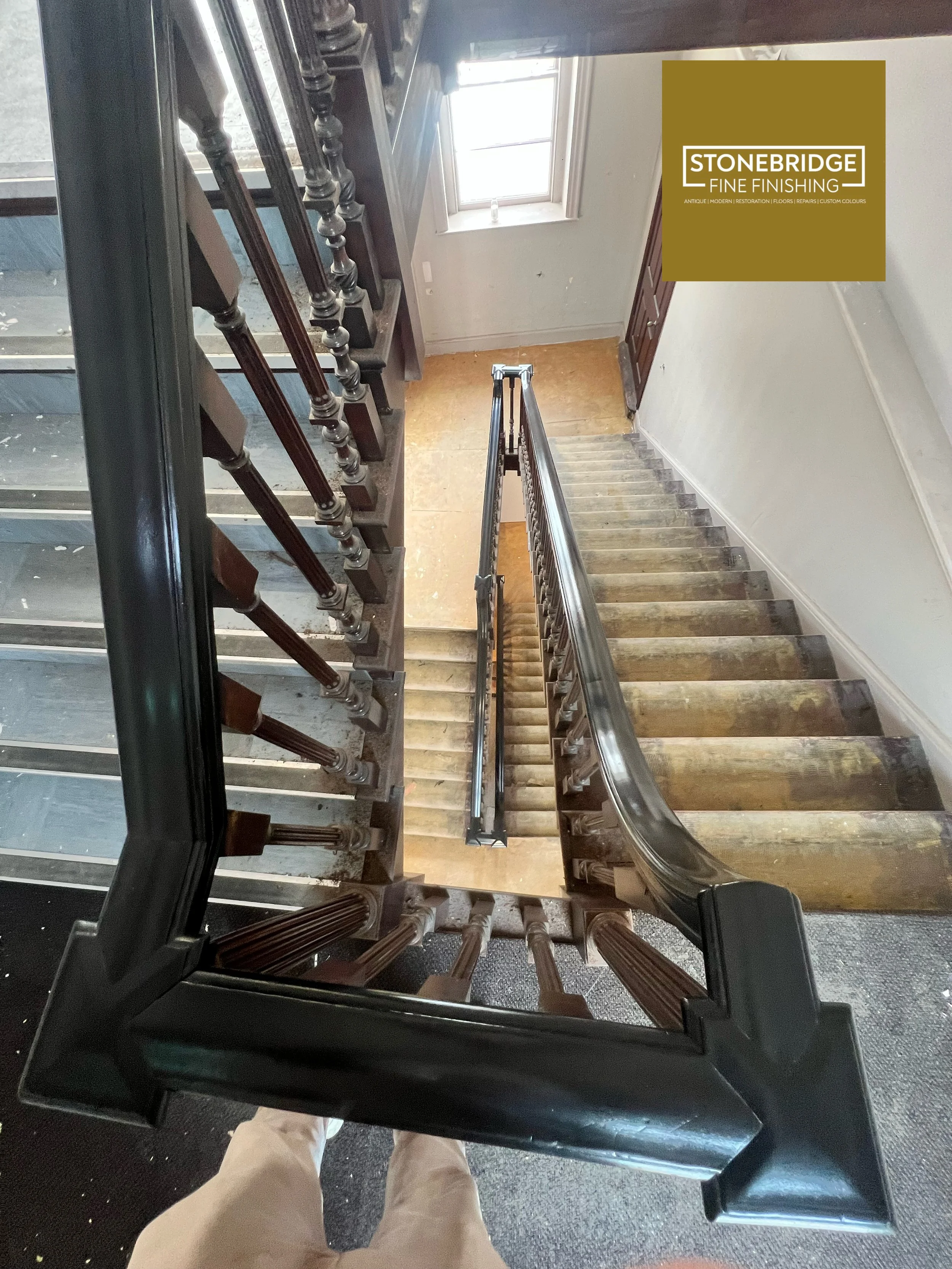
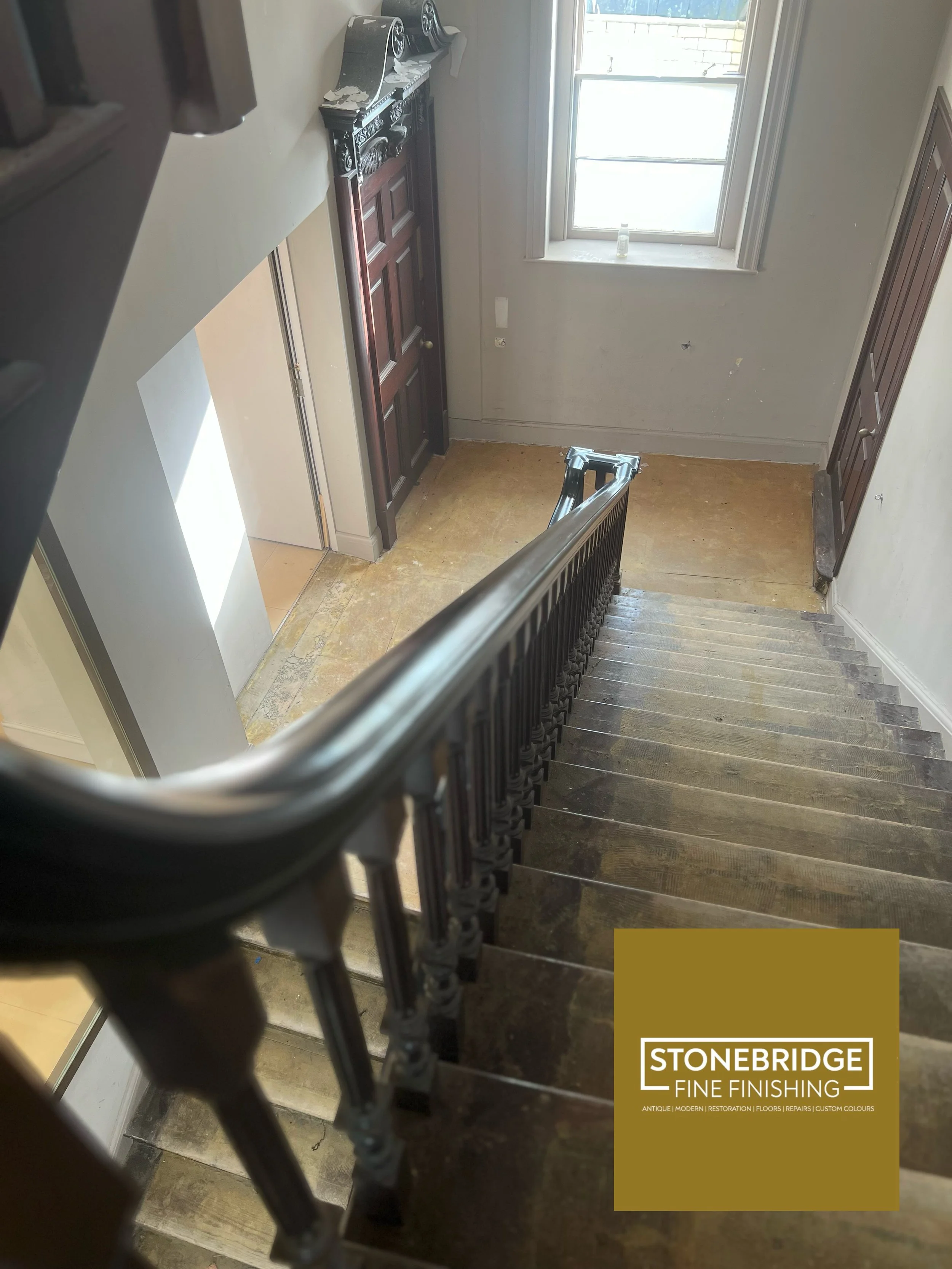
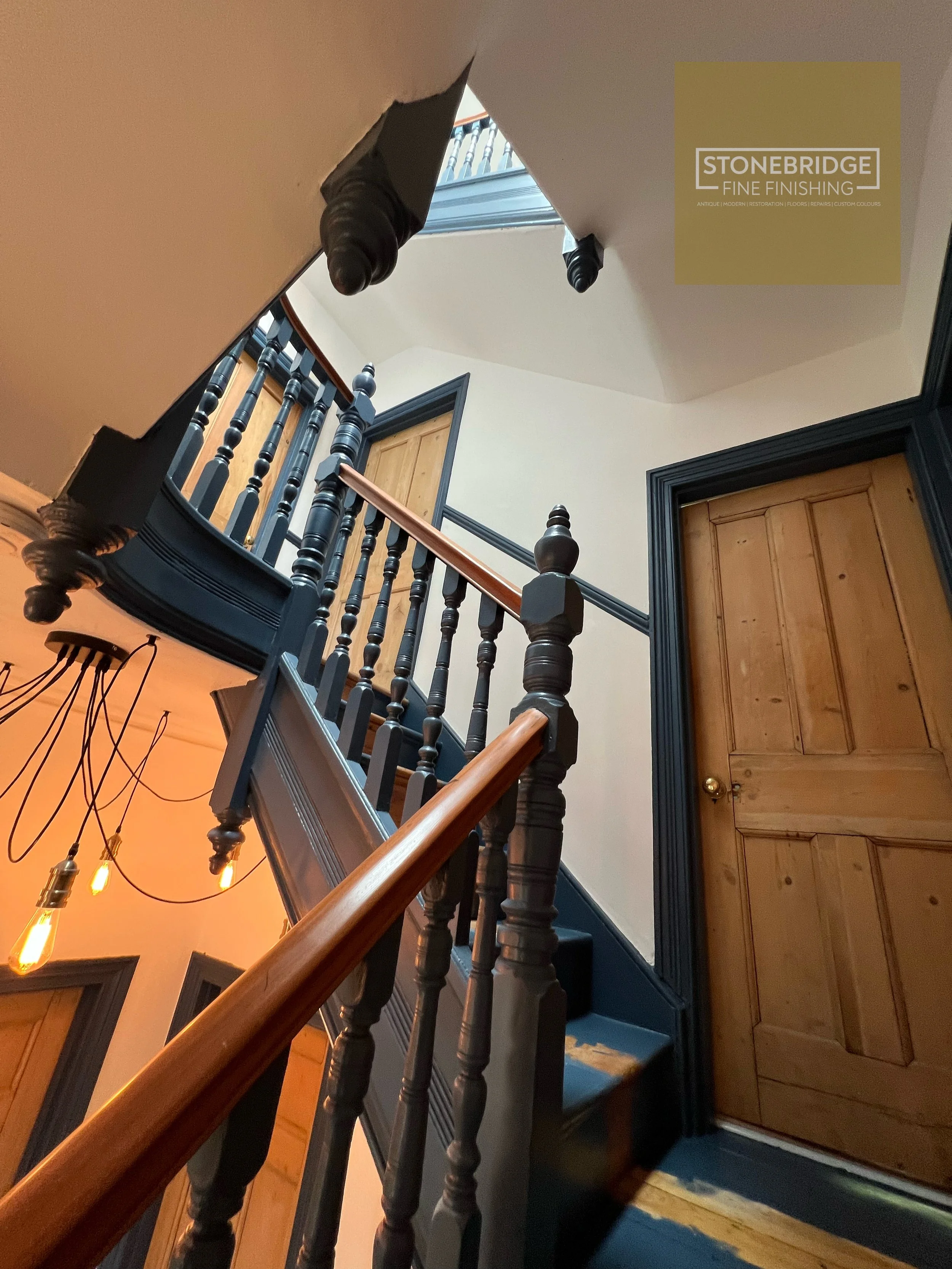
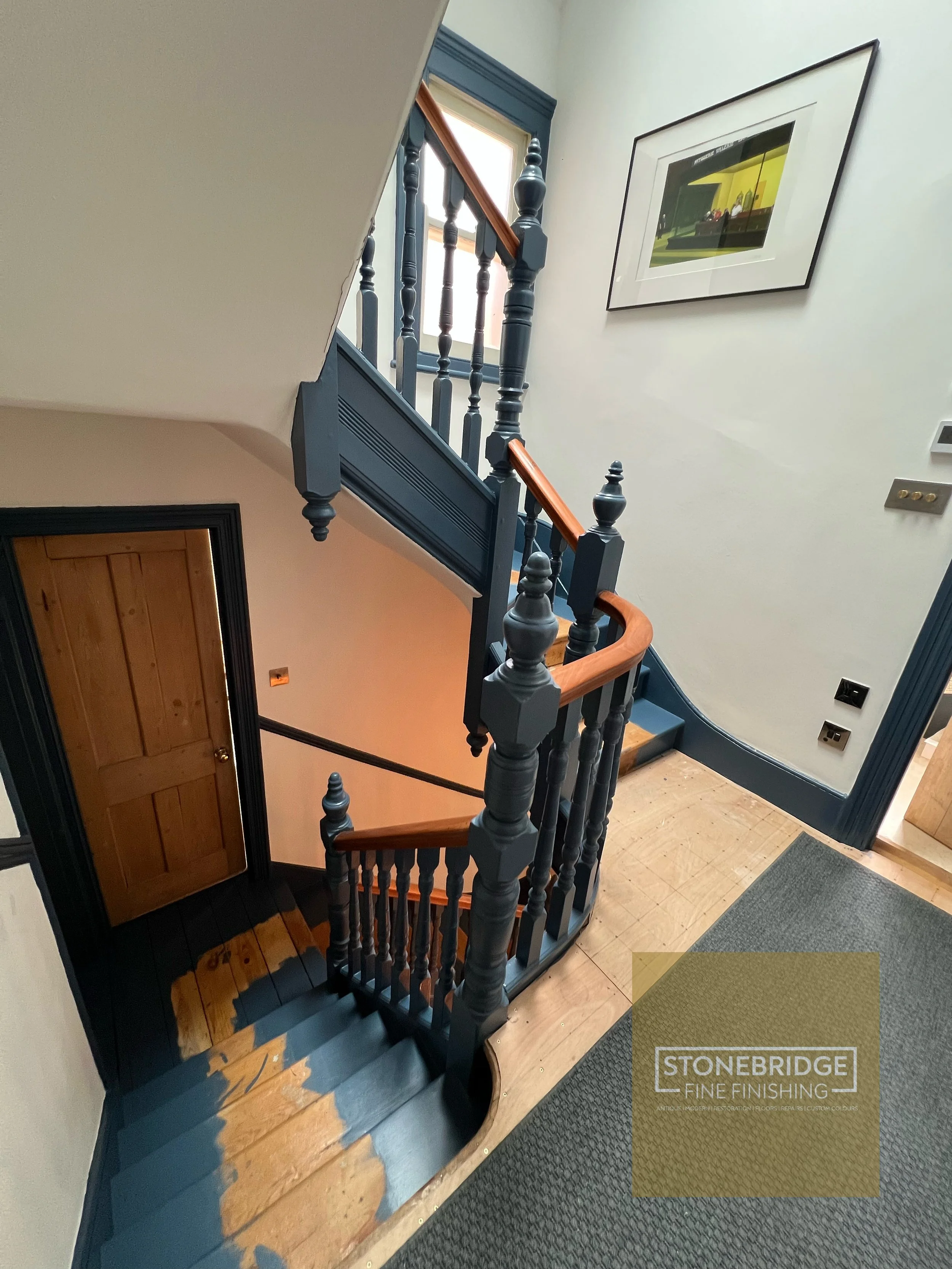
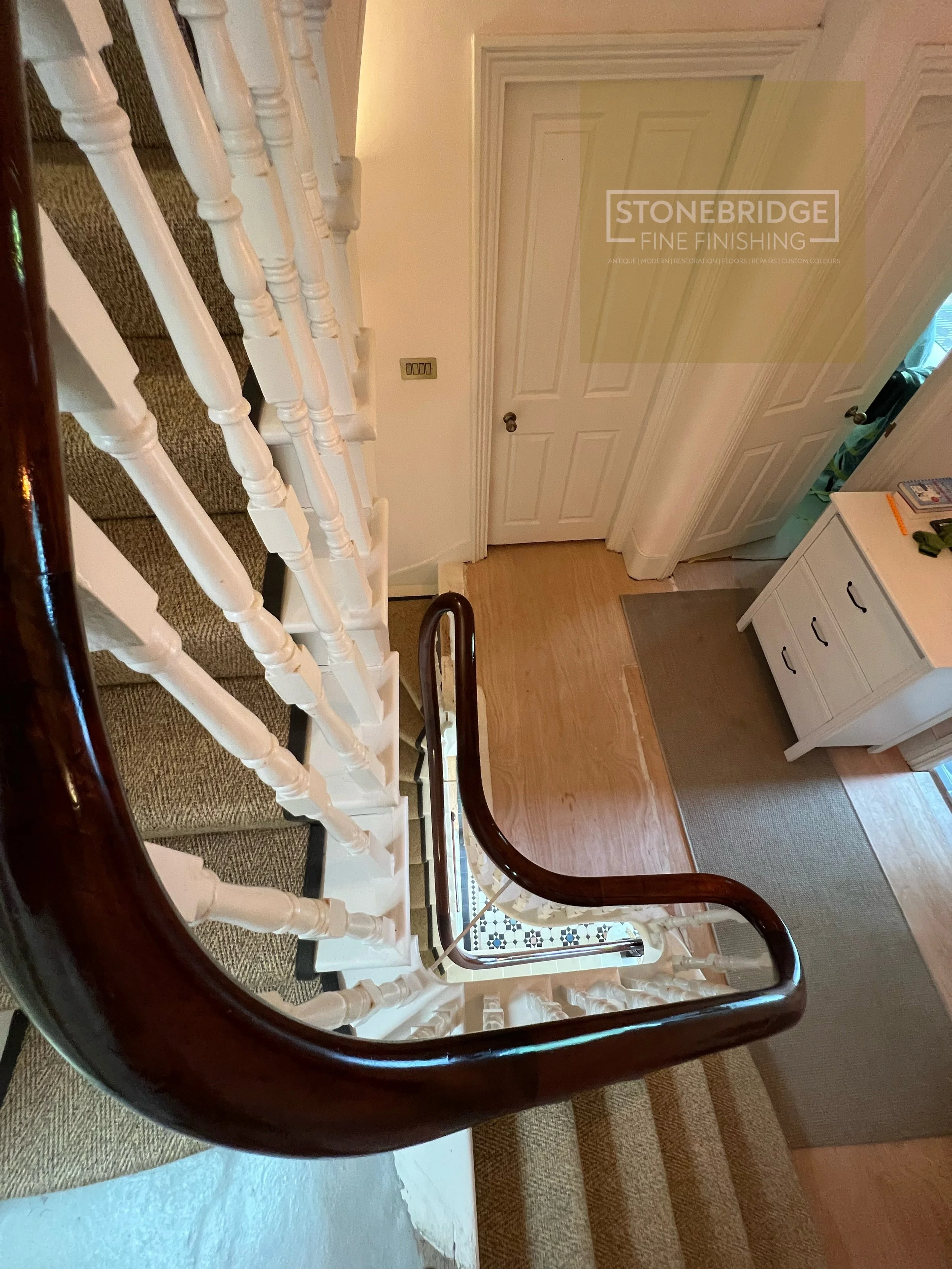
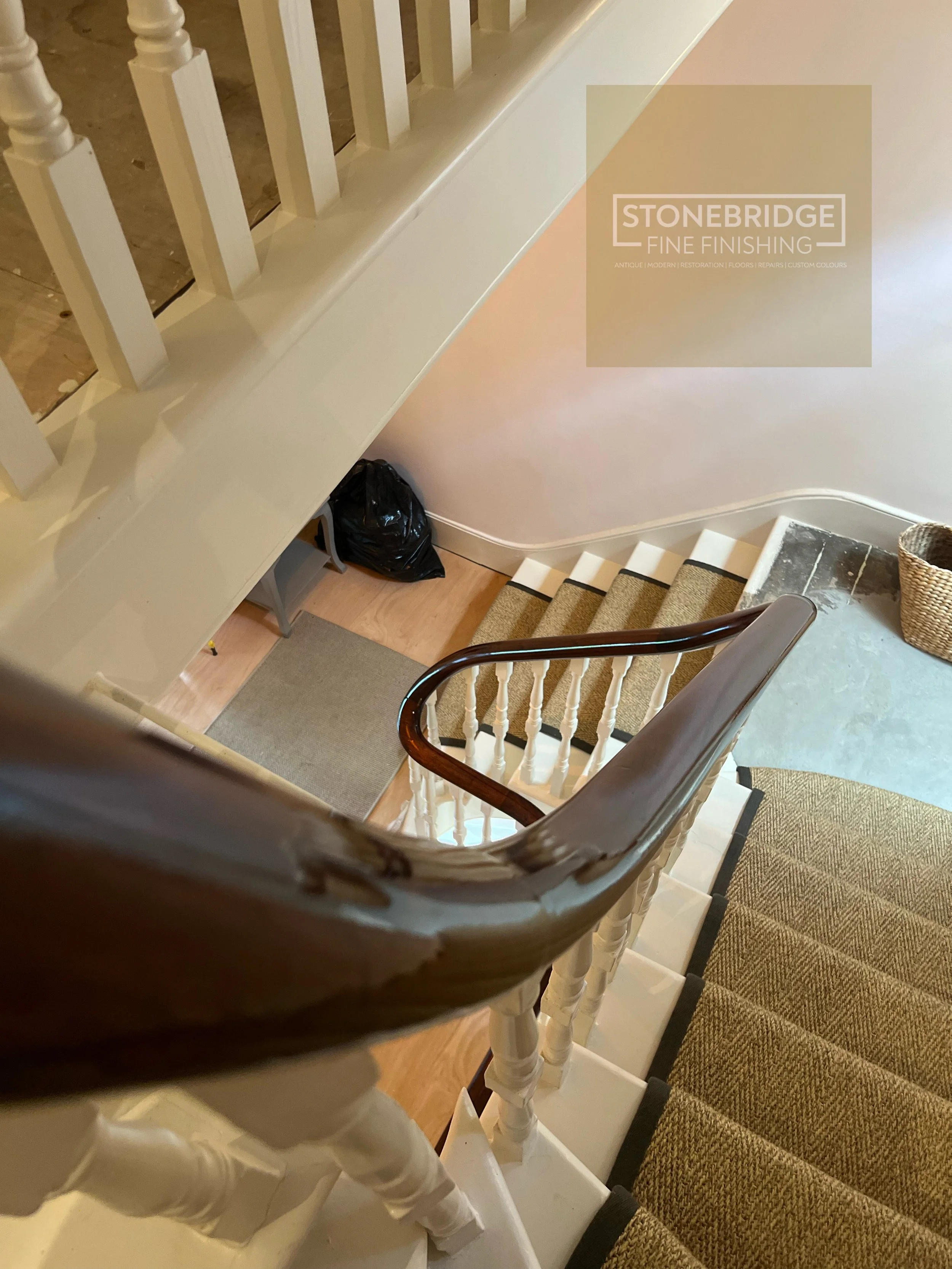
If your Victorian or Georgian staircase has been smothered in decades of thick gloss paint and you want it stripped back to reveal the original mahogany handrail and oak treads, hire a French polisher (often alongside a specialist joiner). If the spindles and stringers are pine and you want a crisp heritage off-white finish, hire a painter and decorator.
2. Fixing Scratched Engineered Flooring or Veneer Doors
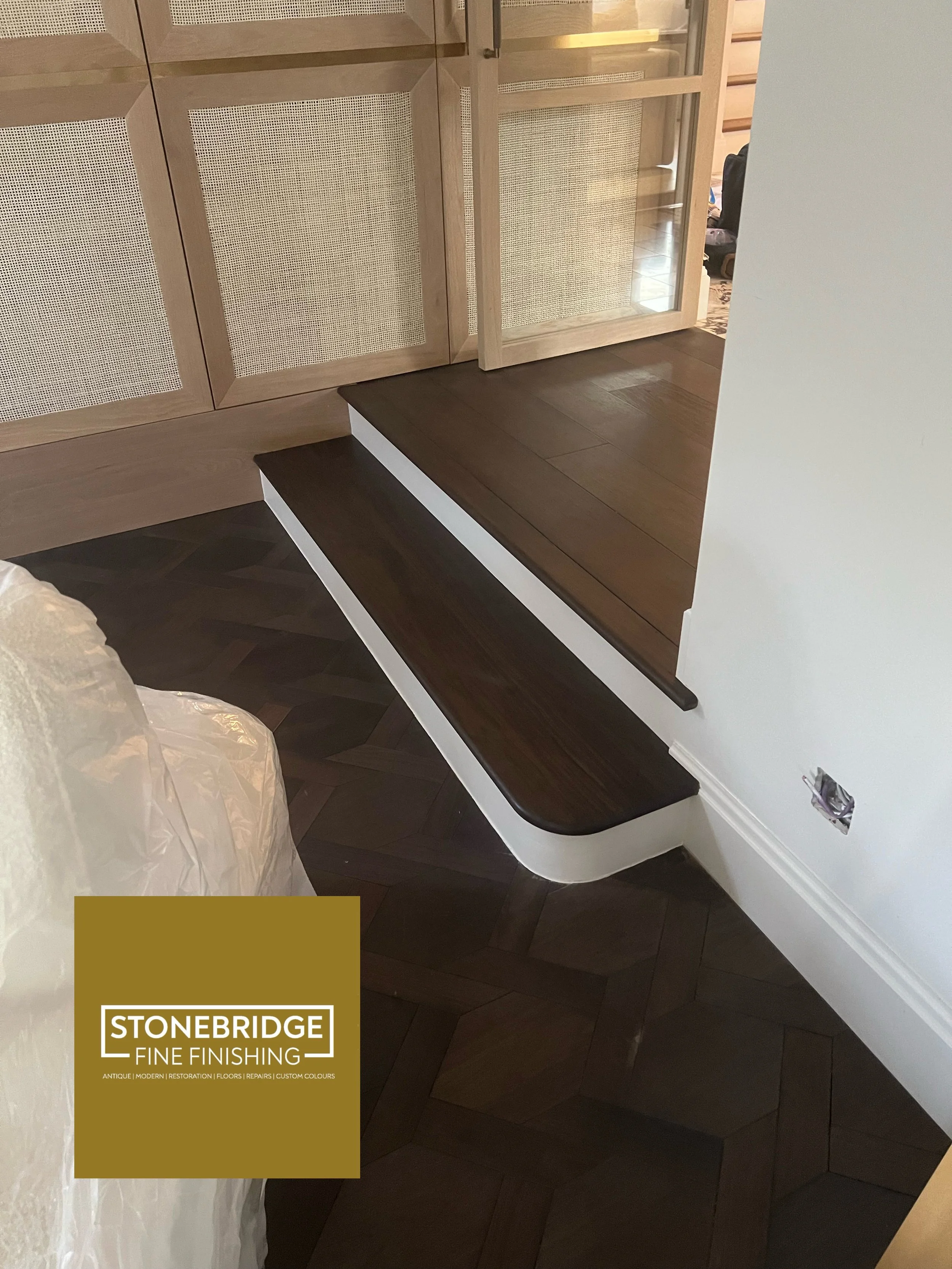
In modern London flats from Battersea to Shoreditch. Internal doors and engineered wood floors are typically finished in factory lacquers or stains. A standard painter cannot replicate a translucent wood grain over a deep gouge. A French polisher will colour-match the grain by hand and blend the sheen seamlessly on-site.
3. Updating Built-In Wardrobes or Kitchen Cabinets
For bespoke MDF cabinetry or shaker-style kitchens that need a fresh Farrow & Ball or Little Greene colour, a specialist spray painter or decorator is the right choice. However, if you have bespoke walnut or oak veneer cabinetry that has faded in direct sunlight, a French polisher can re-stain and re-lacquer the timber to restore its richness.
4. Listed Buildings and Conservation Areas
London boasts thousands of Grade I and Grade II listed properties across Westminster, Camden, Kensington & Chelsea, and Greenwich. Conservation officers frequently mandate breathable, traditional finishes. While heritage painters handle limewash and distemper on plaster, French polishers are essential for preserving original timber panelling, library shelving, and architectural joinery using historically accurate shellac and beeswax.
Frequently Asked Questions
Can a painter do French polishing?
Generally, no. French polishing requires years of dedicated apprenticeship to master fadding, spiriting off, and hand-grain matching. Attempting shellac application with a standard paintbrush will result in streaks and a ruined finish.
Is French polishing durable enough for a busy London family home?
Traditional shellac is softer than modern synthetic coatings and can develop white rings if exposed to hot mugs or spilled alcohol. However, modern London French polishers also apply lacquers and hardwax oils that deliver the warmth of traditional polishing with heavy-duty resistance for dining tables, bars, and hallways.
Do French polishers work on-site in London, or take items away?
Most architectural woodwork such as staircases, doors, panelling, and fitted wardrobes are restored on-site along with Loose antique furniture or dining tables requiring full stripping may be collected and completed in a workshop or on-site.
Ready to Restore Your London Property?
Choosing between a painter and a French polisher comes down to one simple question: do you want to cover the surface with colour, or celebrate and restore the natural timber beneath?
If you are planning a renovation in London, inspect your woodwork closely before requesting quotes. Getting the right specialist in from day one saves time, protects the architectural value of your home, and guarantees a finish built to last.
Click here for more finished projects
Check Out More Of Our Services
Joinery | Wood Restoration | Furniture | French Polishing | Handrails & Staircases | Floor Restoration | Paint Removal | Colour Matching | Wood Maintenance